Day 1
August 12, 2025
Day 2
August 13, 2025
8h – 9h
Registration and Welcome Coffee
09:00 - 10:00
Opening Session
Opening Session
Safety Briefing and Sponsors’ Videos
Message from the SPE President
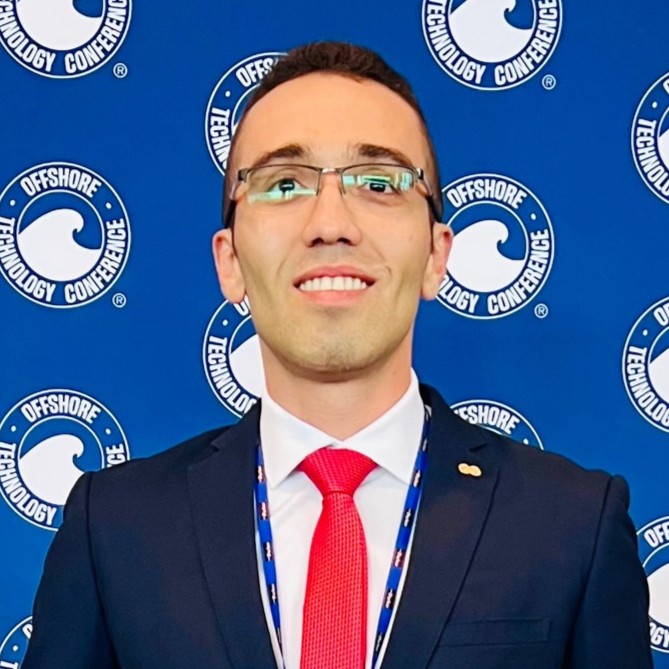
Speaker 1:

Speaker 2:

Speaker 3:

Speaker 4:
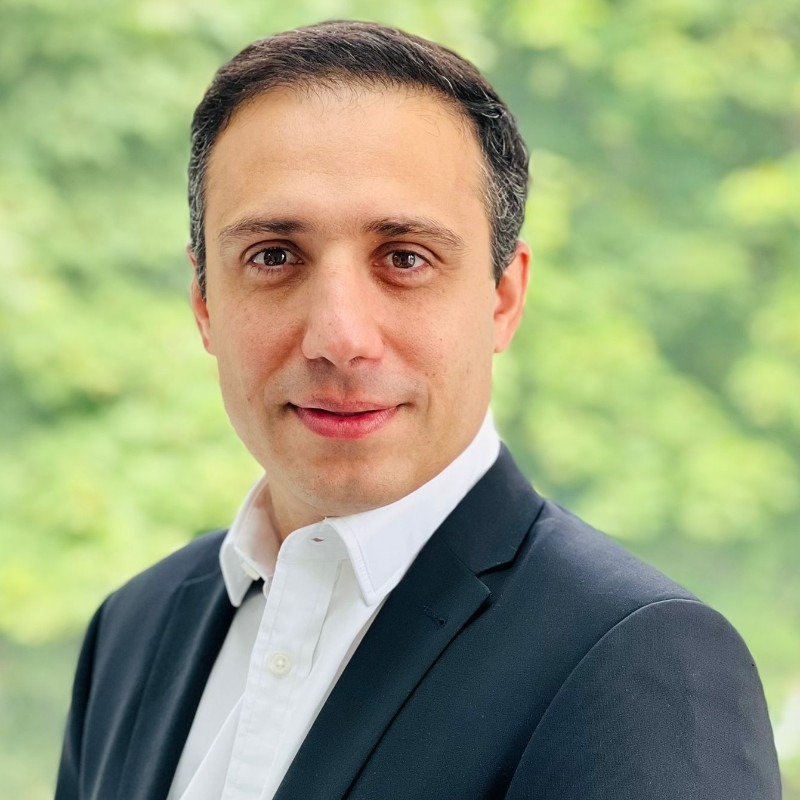
Speaker 5:

10:00 - 12:00
Session 1
Human Factors Ecosystem: Integrating Different Areas of Knowledge to Improve Operational Safety and Efficiency
- Chair: Rodrigo Jokubauskas | Diretor de Operações - Constellation
- Chair: Cristina Ramos | Diretora de Área da America Latina - Seadrill
- Technical Lead: Rafael Ceni | Gerente Executivo de QHSE - Constellation
Full Description
This session will address the concept of a Human Factors Ecosystem as a framework to enhance safety and operational efficiency in well operations.
Based on multidisciplinary approaches—including human reliability, process safety, risk analysis, and human factors engineering—we will explore how these disciplines can be integrated to address the increasing complexity of well operations in today’s oil and gas industry. Additionally, best practices within this ecosystem will be shared throughout the session.
The Human Factors Ecosystem not only improves safety and operational efficiency, but also makes organizations more intelligent, adaptable, and resilient in the face of a VUCA (Volatile, Uncertain, Complex, and Ambiguous) and BANI (Brittle, Anxious, Nonlinear, and Incomprehensible) world.
Lecture 1:
Human Factors Ecosystems
Speaker:
Josué França - Petrobras
Lecture 2:
Improving Human Performance for Safety: From Principles to Action
Speaker:
Katie Morton - SLB
Lecture 3:
IADC Human Factors Engineering Best Practices Guide & ANP Technical Note 10/2023
Speaker:
André Gandini - Constellation
Fernando Fidelis - Constellation
Lecture 4:
Shell’s Approach to Safety and Human Factors
Speaker:
Vivianne Mendonça - Shell
Lecture 5:
Regulatory Perspective on Human Factors
Speaker:
Luiz Bispo - ANP
Q&A Session
12:00 - 13:00
Lunch Break
13:00 – 15:00
Session 2
Well Lifecycle Integrity Management and the Application of Quantitative Risk Analysis – Technical and Regulatory Solutions and Challenges in National and International Contexts
- Chair: Alinne Nogueira – Gerente de Integridade e Conformidade de Poços e Sistemas Submarinos - Petrobras
- Chair: Mauro Nunes - Tech Solutions Lead - Halliburton
- Technical Lead: Mayra Aquino | Engenheira Principal de Risco de Poço -GMVi e Danilo Colombo | Consultor de Confiabilidade e Riscos - Petrobras
Full Description
This panel will address the key stages of the oil well lifecycle, with a focus on well integrity, through the application of quantitative risk analysis to ensure safe and efficient operations. It will also provide a comparative analysis of the latest Brazilian and European regulations applied to wells within this context.
Lecture 1:
Risk Management and Well Integrity: From Regulation to Optimization, with QRA as a Pathway to Compliance, Safety, and Operational Efficiency
Speaker:
Mayra Aquino - GMVi
Lecture 2:
Quantitative Risk Analysis for Wells: Fundamental Concepts and Methodologies for Assessing and Mitigating Operational Risks
Speaker:
Danilo Colombo - Petrobras
Lecture 3:
Dynamic Quantitative Blowout Risk Analysis – A Bayesian Approach
Speaker:
Pedro Perez - EnvironPact
Lecture 4:
Intervention Risk vs. Operational Risk: A Strategic Assessment in Wells with Degraded Integrity in Mature Fields
Speaker:
Marcio Rodrigues - PRIO
Q&A and Discussion
15:00 - 15:30
Coffee Break
15:30 – 17:30
Session 3
Are We Still the Same as Our Parents? Generational Differences in the Offshore Environment and Their Impact on Operational Safety
- Chair: Renato Costa | Diretor de Operações - Foresea
- Moderator: Claudia Vasconcellos | Consultora Técnica - Petrobras
- Moderator: João Guandalini | Gerente de Inovação - Foresea
Full Description
In a naturally cyclical industry like ours, it is common that, from time to time, we need to attract and develop new talent. But how can we do this in today’s context, where a career in Oil & Gas is no longer as attractive as it once was, and fewer young professionals are considering joining the industry?
How can we respond to the expectations and questions brought by this new generation, which at times challenge the status quo of drilling and the offshore environment? Can the coexistence between pre- and post-digitalization generations introduce risks to operations?
Is the generational gap truly a problem, or are we simply uncomfortable with being pushed out of our comfort zone? Ultimately, what is being done—and what still needs to be done—to increasingly attract young engineers and technicians, and ensure they are fully committed to operational safety in our industry?
Lecture 1:
Is Generational Conflict Really Something New in Our Industry?
Speaker:
Renato Costa - Foresea
Lecture 2:
A More Questioning and Restless Generation: Could This Be Beneficial for Operational Safety?
Speaker:
Cláudia Vasconcellos - Petrobras
Lecture 3:
The Frontline Perspective: How Does a Rig Superintendent View the Day-to-Day Dynamics of This Coexistence on Their Unit?
Speaker:
Rodrigo Cova - Foresea
Lecture 4:
From Generation to Generation: Mentorship as a Pillar of Safety Culture
Speakers:
Amanda Leão - Equinor e WIN SPE Brazil
Helena Masur - UDESC e Win SPE Brazil
Lecture 5:
Trainee Perspective: What I Expected vs. What I Actually Found on Drilling Rigs
Speaker:
Jeniffer Barbosa - Transocean
Interactive Panel
17:30 - 19:00
Cocktail
8:00 – 10:00
Sessão 4
Energy Efficiency in Drilling: Innovations and Strategies for Emissions Reduction
- Chair: Viviana Canhão Coelho | Gerente Executiva de Mudanças Climáticas - Petrobras
- Chair: Rebeca Kipperman | Gerente de Sustentabilidade - Brava
- Technical Leads: Laura Musgueira | Consultora de Fluidos - Petrobras e Gabriela Brancaccio | Gerente de Sustentabilidade - Constellation
Full Description
The energy transition has been driving significant changes in the oil and gas industry. The current challenge is to balance the demand for operational efficiency with the need to reduce greenhouse gas emissions. In this context, well construction is evolving through the development and adoption of cleaner technologies, automated systems, digital solutions, and advanced engineering strategies.
Additionally, practices such as trajectory optimization, reduction of drilling time, and efficient resource utilization contribute to aligning operations with the decarbonization agenda. In this session, we will explore the impacts on drilling contractors, innovative initiatives aimed at reducing emissions, and technologies applied to achieve greater energy efficiency.
Lecture 1
Energy Transition and Its Impacts on Drilling Companies
Speaker:
Gabriella Brancaccio - Constellation
Lecture 1
Energy Transition in Well Construction: Challenges and Pathways to Decarbonization
Speaker:
Cezar Augusto Siqueira - Gerente Geral de PD&I e Desenvolvimento da Produção na Petrobras
Lecture 1
Using Hydrogen to Reduce Fuel Consumption and GHG Emissions in Drilling Rigs
Speaker:
Afonso Junior - Ocyan
Lecture 1
From Sea to Cloud: The Digital Twin Revolution
Speaker:
Douglas Rosa - Gerente de Novas Tecnologias - Constellation
Q&A Session
10:00 - 10:30
Coffee Break
10:30 – 13:00
Sessão 5
Innovation: Building an Increasingly Technological and Safer Operational Environment
- Chair: Alejandro Scheffler | Gerente de Vendas e Marketing - SLB
- Chair: Lilian Barreto | Gerente Executiva do CENPES na Petrobras
- Technical Leads: Juarez Filardo | Engenheiro de Petróleo Master - Petrobras e Igor Rodrigues | Coordenador de Equipamentos - Petrobras
Full Description
The oil and gas industry, considered highly hazardous, has been implementing a range of innovative solutions in the field of well operational safety aimed at reducing workers’ exposure to risk. Many of these solutions stem from the industry’s digital transformation, enabling greater accuracy in hazard identification, monitoring of behavioral deviations, faster alerts, and more effective risk mitigation.
Today and in the future, the automation of drilling rigs and well operations, collaborative robotics, generative AI, intelligent failure prevention monitoring, virtual reality, and many other cutting-edge technologies are expected to drive the industry to a new level of safety.
In this session, chairs, speakers, and exhibitors will discuss new implementations and future technology trends in response to the current and upcoming challenges faced by the industry.
And for this, we invite you to be part of this innovation journey!
Keynote Lecture 1:
Innovation and the Future: The Role of CENPES in Developing New Technologies for the Energy Sector
Speaker:
Lilian Barreto - Gerente Executiva do CENPES na Petrobras
Lecture 2:
Use of Robots in Drilling Rig Automation: Operational Safety and Future Perspectives
Speaker:
Leonardo Nascimento - NOV
Lecture 3:
Depleted Field Improvement with Controlled Mud Level MPD
Speaker:
Rudy Flores - Enhanced Drilling
Lecture 4:
BOP Connection Tool
Speaker:
Raphael Migoto - Altave
Lecture 5:
Keeping an Eye on the Lines: How Integrity Management Safeguards the Health of Our Offshore Units
Speaker:
Emanuel Isaac dos Santos - Foresea
Lecture 6:
From the Control Center to the Bottom of the Well: A Remote Cementing Case Study and Its Challenges
Speaker:
Adriano Biana - Baker Hughes
Q&A Session
13:00 - 13:30
Closing Session
Speaker 1:
Speaker 2:
Speaker 3:
Speaker 4:
Speaker 5: